A Stanford Egyetem kutatói egy olyan beépített motorral és mesterséges intelligenciával felszerelt okoscipőt fejlesztettek, amely valós időben érzékeli az egyensúlyvesztést, és azonnal korrigálja a lépést. A rendszer a másodperc töredéke alatt avatkozik be, hogy megelőzze az idősebb generációk számára sokszor végzetes következményekkel járó eséseket.
A Stanford Egyetem Biomechatronikai Laboratóriumának kutatói egy olyan hordozható, boka köré rögzíthető robotikus okoscipőt (exoskeleton csizmát) alkottak meg, amely nemcsak passzívan figyeli a viselője mozgását, hanem aktív izomként avatkozik be a járásba. Az idősek esetében egyetlen rossz lépés vagy botlás súlyos csípőtáji törésekhez, hónapokig tartó rehabilitációhoz és az önállóság elvesztéséhez vezethet.
A hagyományos prevenciós eszközök – mint a járókeretek vagy a botok – csak támaszt nyújtanak, a stanfordi fejlesztés azonban magát a problémát, a mozgáskoordináció hirtelen megbomlását orvosolja. A technológia lelke egy folyamatosan tanuló mesterséges intelligencia és a cipőbe épített szenzorhálózat.
A rendszer másodpercenként számtalanszor elemzi a viselője lépéstempóját, a talajra érkezés szögét és a boka dőlését. Amikor az algoritmus egy apró, a normálistól eltérő biomechanikai változást érzékel – ami a botlás vagy az egyensúlyvesztés előszele –, azonnal jelet küld a vádlihoz rögzített apró motornak. A motor a mechanikus kábeleken keresztül a megfelelő irányba és erővel korrigálja a boka dőlésszögét, lényegében „helyreteszi” a lábat még azelőtt, hogy a gravitáció átvenné az uralmat, és az esés ténylegesen bekövetkezne.
A megoldás legnagyobb áttörése a személyre szabhatóság. A korábbi robotikus vázak (exoskeletonok) futópados tesztelést és hatalmas külső számítógépeket igényeltek. A mostani modell viszont a valós világban, a mindennapi séták során egyetlen óra alatt megtanulja viselője egyedi járásmintáját, így a beavatkozásai teljesen természetesnek és észrevétlennek hatnak.
A stanfordi okoscipő paradigmaváltást hoz az idősgondozásban és a rehabilitációban. Azáltal, hogy a technológia az esések utólagos kezelése helyett a megelőzésre fókuszál, drasztikusan csökkentheti az egészségügyi rendszerekre nehezedő nyomást. A mesterséges intelligenciával támogatott exoskeletonok hamarosan ugyanolyan hétköznapi, életmentő viselhető eszközzé válhatnak, mint napjainkban az EKG-t mérő okosórák, visszaadva az idősödő társadalomnak a biztonságos és önálló mozgás szabadságát.
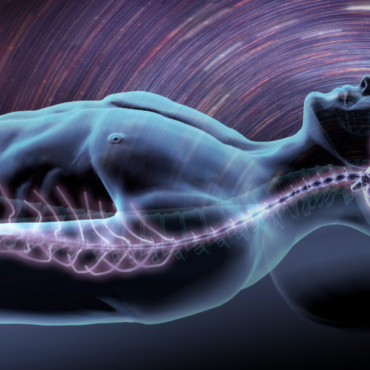
Tizenkét évvel egy tragikus baleset után egy holland férfi újra képes a saját lábán sétálni, miután svájci kutatók vezeték nélkül kötötték össze az agyát a gerincvelőjével. Ez a sci-fibe illő […]
Weboldalunkon cookie-kat használunk, hogy a legrelevánsabb élményt nyújtsuk azáltal, hogy emlékezünk a preferenciáira és ismételt látogatásokra. Az „Összes elfogadása” gombra kattintva hozzájárul az ÖSSZES süti használatához. Azonban felkeresheti a "Cookie beállítások" menüpontot, és ellenőrzött hozzájárulást adhat. a
This website uses cookies to improve your experience while you navigate through the website. Out of these, the cookies that are categorized as necessary are stored on your browser as they are essential for the working of basic functionalities of the website. We also use third-party cookies that help us analyze and understand how you use this website. These cookies will be stored in your browser only with your consent. You also have the option to opt-out of these cookies. But opting out of some of these cookies may affect your browsing experience.
Necessary cookies are absolutely essential for the website to function properly. These cookies ensure basic functionalities and security features of the website, anonymously.
Cookie
Duration
Description
cookielawinfo-checkbox-advertisement
1 year
Set by the GDPR Cookie Consent plugin, this cookie is used to record the user consent for the cookies in the "Advertisement" category .
cookielawinfo-checkbox-analytics
1 year
Set by the GDPR Cookie Consent plugin, this cookie is used to record the user consent for the cookies in the "Analytics" category .
cookielawinfo-checkbox-functional
1 year
The cookie is set by the GDPR Cookie Consent plugin to record the user consent for the cookies in the category "Functional".
cookielawinfo-checkbox-necessary
1 year
Set by the GDPR Cookie Consent plugin, this cookie is used to record the user consent for the cookies in the "Necessary" category .
cookielawinfo-checkbox-others
1 year
Set by the GDPR Cookie Consent plugin, this cookie is used to store the user consent for cookies in the category "Others".
cookielawinfo-checkbox-performance
1 year
Set by the GDPR Cookie Consent plugin, this cookie is used to store the user consent for cookies in the category "Performance".
Functional cookies help to perform certain functionalities like sharing the content of the website on social media platforms, collect feedbacks, and other third-party features.
Cookie
Duration
Description
S
1 hour
Used by Yahoo to provide ads, content or analytics.
sp_landing
1 day
The sp_landing is set by Spotify to implement audio content from Spotify on the website and also registers information on user interaction related to the audio content.
sp_t
1 year
The sp_t cookie is set by Spotify to implement audio content from Spotify on the website and also registers information on user interaction related to the audio content.
Performance cookies are used to understand and analyze the key performance indexes of the website which helps in delivering a better user experience for the visitors.
Analytical cookies are used to understand how visitors interact with the website. These cookies help provide information on metrics the number of visitors, bounce rate, traffic source, etc.
Cookie
Duration
Description
_ga
2 years
The _ga cookie, installed by Google Analytics, calculates visitor, session and campaign data and also keeps track of site usage for the site's analytics report. The cookie stores information anonymously and assigns a randomly generated number to recognize unique visitors.
Advertisement cookies are used to provide visitors with relevant ads and marketing campaigns. These cookies track visitors across websites and collect information to provide customized ads.
Cookie
Duration
Description
NID
6 months
NID cookie, set by Google, is used for advertising purposes; to limit the number of times the user sees an ad, to mute unwanted ads, and to measure the effectiveness of ads.